
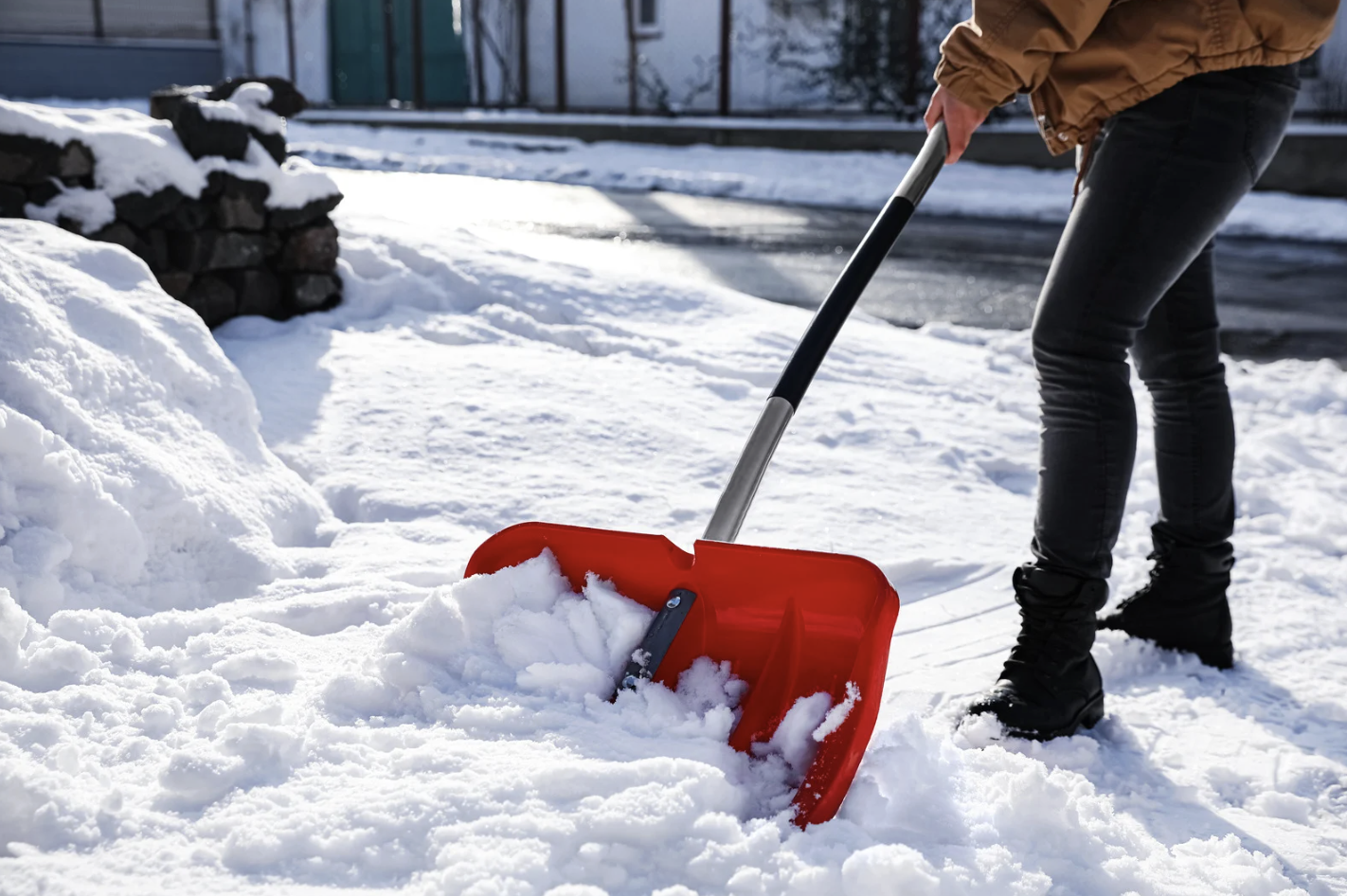
Snow Shoveling and Your Back: A Westminster Chiropractor's Guide for Winter
Snow season is officially here on the Front Range. Denver's average first measurable snow lands around October 18, and the metro typically sees close to 57 inches over a full season. That means a lot of mornings with a shovel in hand before work, school drop-off, or a shift.
Every winter, we see the same pattern at our Westminster office near 92nd and Sheridan. The first real storm hits, neighbors grab their shovels, and by the next afternoon our phone is ringing with "I bent over to clear the driveway and my back locked up." This guide covers why that happens, how to prevent it, and what to do if your back is already sore.
Why does shoveling snow hurt your back?
Shoveling combines the three things your lower back likes least: bending forward, lifting a load away from your body, and twisting to throw it. Repeat that a few hundred times on cold muscles and the discs and small joints of your lower spine take a beating.
The research backs this up. A national study in the American Journal of Emergency Medicine looked at 17 years of emergency room data and found:
- About 11,500 people a year land in U.S. emergency rooms because of snow shoveling.
- The lower back is the most commonly injured area, at roughly 34% of cases.
- Over half of injuries (about 54%) come from overexertion, followed by slips and falls (20%).
- Nearly all of them (about 96%) happen at home, in driveways and on sidewalks.
Those numbers only count ER visits. Most people with a tweaked back never go to the ER. They tough it out, or they come see someone like us a few days later when it is not getting better.
What makes Colorado snow harder on your spine?
Colorado snow has a reputation for being light and fluffy, and in the mountains it often is. Along the Front Range, our fall and spring storms tend to be wetter and heavier. A storm that drops six inches of wet October snow can feel twice as heavy as the same depth in January.
A few other local factors play in:
- Freeze and thaw cycles. Snow often melts by afternoon and refreezes overnight, so Westminster driveways and sidewalks turn into ice sheets by morning.
- Big swings in temperature. It can be 65 degrees on Tuesday and snowing on Wednesday. Your body has not had time to adjust, and cold muscles are less flexible.
- Sunny mornings after storms. The snow looks easy, so people rush through it before work without warming up.
How to shovel snow without hurting your back
These are the same tips I give my own patients every November.
- Warm up for 5 minutes first. Walk around the house, march in place, do a few gentle hip circles and standing back extensions. Treat it like a workout, because it is one.
- Pick the right shovel. A lighter shovel with a curved or adjustable handle lets you keep your back straighter. A smaller blade means lighter loads.
- Push, don't lift. Whenever you can, push the snow to the side like a plow instead of scooping and throwing it.
- When you do lift, use your legs. Bend at the hips and knees, keep the shovel close to your body, and tighten your core.
- Never twist and throw. Turn your whole body by moving your feet so your toes point where the snow is going. Twisting with a loaded shovel is the number one way people hurt their lower back.
- Take small bites. Half a shovelful done more often is far easier on your discs than full, heavy scoops.
- Go early and often. In a big storm, clear a few inches at a time throughout the day rather than tackling a foot of packed snow at once.
- Take breaks and hydrate. Stand up tall, lean back gently, and stretch every 10 to 15 minutes. You still lose fluid in the cold, especially at our altitude.
- Wear boots with real tread. Good footing prevents the slips that cause many shoveling injuries.
A note on your heart: shoveling is hard cardio. In the same national study, cardiac events made up about 7% of shoveling emergencies but accounted for every death recorded. People over 55 were more than four times as likely to have a cardiac event. If you have heart concerns or don't exercise regularly, talk to your doctor first, or hire a neighborhood kid or use a snow blower.
Slipped on ice or slid into a fender bender?
Shoveling is not the only winter hazard. Icy steps and parking lots cause hard falls, and the first slick commute of the season always brings a wave of low-speed crashes on Sheridan, Federal, and US-36.
Both deserve a check-up, even if you feel fine at first:
- Falls on ice often jolt the tailbone, lower back, and wrists. Stiffness that shows up a day or two later is common.
- Low-speed car accidents can still cause whiplash. Neck pain, headaches, and upper back tightness often appear days after the crash, once the adrenaline wears off.
If you were in a car accident, getting evaluated early also creates a clear record of your injuries. That matters for insurance. Many Colorado auto policies include MedPay, which can help cover care regardless of who was at fault. Learn more on our Car Accident Care page.
Hurt your back shoveling? What to do next
Most shoveling strains improve with smart self-care in the first 48 hours:
- Keep moving gently. Short, easy walks beat lying in bed.
- Use ice for the first day or two, then switch to heat if it feels better.
- Avoid more heavy lifting and twisting until it settles.
See a chiropractor if pain hasn't improved in 3 to 5 days, keeps coming back every storm, or travels into your buttock or leg. At Revival Chiropractic, your first visit includes a full history and exam so we can tell a muscle strain from a joint or disc problem. From there, care may include gentle adjustments, soft tissue work, and simple home exercises to get you moving and keep it from happening again.
Go to the ER or call 911 if you have chest pain or pressure, shortness of breath, numbness in your groin or inner thighs, new trouble controlling your bladder or bowels, or weakness in a leg that keeps getting worse. These are signs of a medical emergency, not a back strain.
Frequently asked questions
What is the most common snow shoveling injury? Lower back strain. In national emergency room data, the lower back accounts for about one in three snow shoveling injuries, and most come from overexertion rather than falls.
Is it better to push or lift snow? Push it whenever you can. Pushing keeps the load close to the ground and avoids the bend, lift, and twist motion that strains the lower back.
Should I stretch before shoveling snow? Yes. A five minute warm-up with light movement, like marching in place, hip circles, and gentle back extensions, prepares cold muscles for the work. Save long, deep stretches for after.
How long does a back strain from shoveling take to heal? Most mild strains feel noticeably better within a few days to two weeks. If pain isn't improving after 3 to 5 days, or it spreads into your leg, it's worth getting evaluated.
Can a chiropractor help after a snow shoveling injury? Yes. A chiropractor can examine your back to find what's irritated, then use adjustments, soft tissue work, and targeted exercises to reduce pain and restore motion. Revival Chiropractic in Westminster sees shoveling injuries every winter.
Should I see a chiropractor after a minor winter car accident? It's a good idea, even if you feel fine. Whiplash symptoms often show up 24 to 72 hours later, and an early exam documents any injuries for your insurance claim.
Get back to enjoying winter
Winter in Colorado should be about powder days, sledding hills, and cozy evenings, not a back that won't let you bend over to tie your boots. If the first storms of the season left you sore, we'd love to help.
Revival Chiropractic 8670 Wolff Ct, Westminster, CO 80031 (92nd and Sheridan) Call or text: 303-353-8058 Book your new patient visit today
We proudly serve Westminster, Arvada, Broomfield, Thornton, Federal Heights, and North Denver. And yes, Lambeau and Summit will be happy to see you too.
References
- Watson DS, Shields BJ, Smith GA. Snow shovel-related injuries and medical emergencies treated in US EDs, 1990 to 2006. American Journal of Emergency Medicine. 2011;29(1):11-17. PubMed
- Nationwide Children's Hospital, Center for Injury Research and Policy. National study finds 11,500 ED visits related to snow shoveling each year (2011).
- Denver7. When the first snowfalls and freezes typically occur in Denver.
- FOX31 Denver (KDVR). When could it snow in Denver? Average seasonal snowfall per the National Weather Service.