
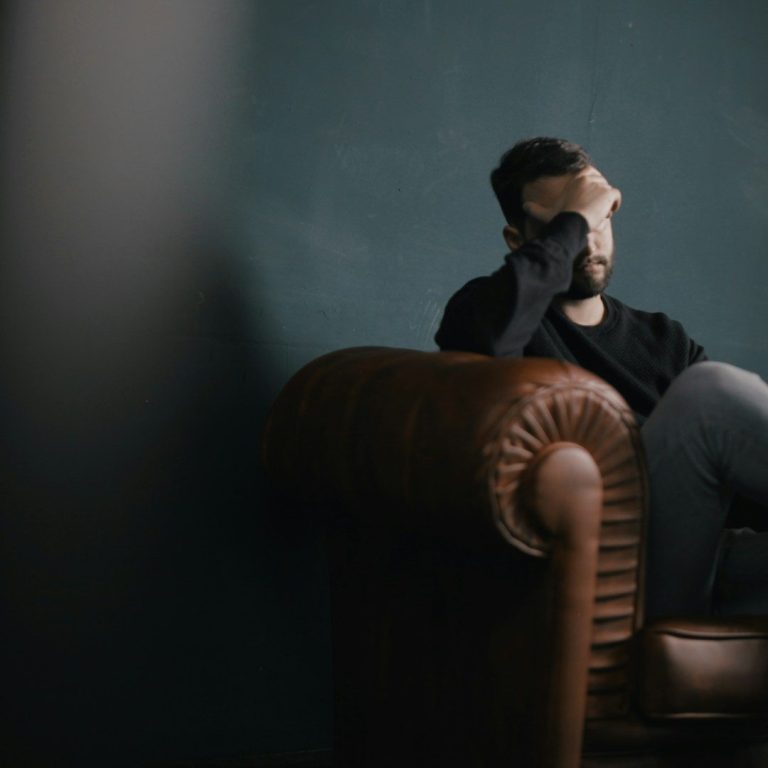
Headaches & Migraines
What it feels like
- Pain starting at the base of the skull and wrapping to the forehead or eye
- Tension band around the head
- Headaches tied to long screen days or poor sleep
- Migraines with light sensitivity, nausea, or aura
Common Causes
- Cervicogenic headache from upper neck joints and muscles
- Tension-type headache from stress and posture
- Migraine triggers: sleep, dehydration, food, hormones, stress
- Jaw clenching or TMJ
What we check at your first visit
- Headache history: how often, where it starts, triggers, and what helps
- Regional exam of the neck, upper back, and jaw, including orthopedic and neurological testing
- Screening for warning signs that need medical care first
How we treat it at Revival Chiropractic
- Upper neck and mid-back adjustments
- Suboccipital release and trigger point work
- Hydration, sleep, and desk changes; supplement discussion if appropriate (magnesium, etc.)
What to expect
- Goal is fewer, shorter, and milder headaches
- Reassess at 4 to 6 weeks
When we refer out
- Sudden "worst headache of my life" (emergency)
- Headache with fever, stiff neck, confusion, weakness, or vision loss
- New headaches after age 50 or a changing pattern
- Migraine needing medication management (primary care or neurology)
FAQs
Can a chiropractor help migraines? It can help some people with frequency and intensity, especially when neck tension is a trigger. We pair care with trigger tracking, sleep, and hydration habits. Migraines often need a physician too, and we're happy to work alongside yours.
What is a cervicogenic headache? A headache that starts in the neck. Irritated joints and muscles in the upper neck refer pain to the back of the head, temple, or behind the eye. It's one of the headache types with the best evidence for chiropractic care.
How do I know if my headache is coming from my neck? Clues include pain starting at the base of the skull, a stiff neck, and headaches that build with posture or desk work. Pressing on certain neck muscles may reproduce the headache. The exam helps confirm it.
Sources: Bryans et al., headache guideline (Journal of Manipulative and Physiological Therapeutics, 2011)
Disclaimer: The information provided on this page is for educational and informational purposes only and is not intended as a substitute for professional medical advice, diagnosis, or treatment. Always seek the advice of a qualified healthcare provider with any questions you may have regarding a medical condition or before starting any new healthcare regimen. Never delay seeking treatment or disregard medical advice based on information provided here. If you are experiencing a medical emergency, call 911 immediately.