
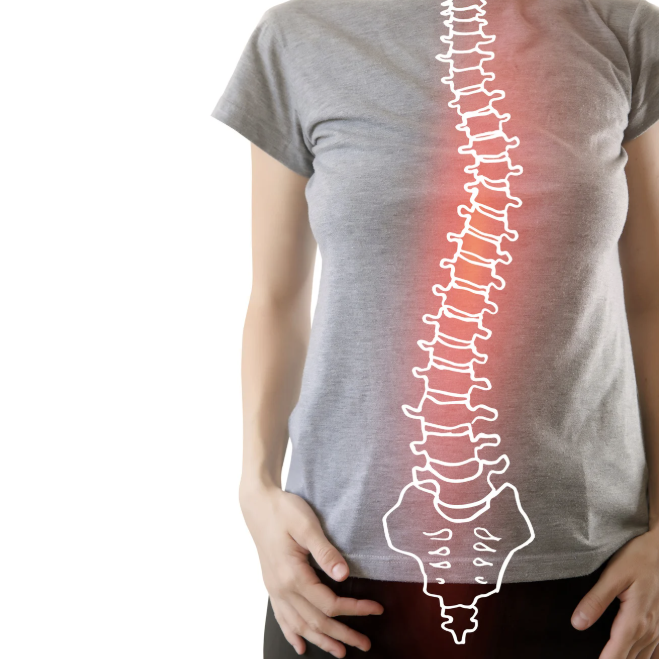
Sciatica & Radiculopathy
What it feels like
- Uneven shoulders, hips, or waistline
- One side of the back more prominent when bending forward
- Back fatigue or aching, especially with long standing
Common causes
- Idiopathic scoliosis (no known cause), often found in the preteen and teen years
- Degenerative scoliosis in older adults
- Functional curves from leg length or muscle imbalance
What we check at your first visit
- Health history and any prior X-rays or curve measurements
- Regional exam of the spine, including orthopedic and neurological testing
- Posture and forward bend check
How we treat it at Revival Chiropractic
- Gentle mirror image adjustments for comfort and mobility
- Soft tissue work for tight muscles on the curve
- Core and postural exercises
- Fitting for at home Scoliroll if needed
- Coordination with pediatricians or orthopedists on monitoring
What to expect
- Care focuses on comfort, function, and mobility
- Ongoing monitoring for growing kids and teens
When we refer out
- Curves progressing during growth (orthopedic or bracing evaluation)
- Curves with neuro signs or rapid change in adults
FAQs
Can a chiropractor fix scoliosis? Chiropractic care doesn't fully straighten a structural scoliosis curve. What it can do is ease the pain, stiffness, and muscle tension that come with it and help you move better. Bracing and surgery decisions belong with an orthopedic specialist.
Is chiropractic safe for kids with scoliosis? Yes, with gentle, age-appropriate techniques. For growing kids, the most important thing is regular monitoring of the curve by their pediatrician or orthopedist, and we coordinate with them.
Does scoliosis cause back pain? It can, especially in adults, but many people with mild curves have no pain. When pain shows up, it's often from muscle imbalance and stiffness around the curve, which responds well to care.
How often should scoliosis be checked? Growing kids and teens usually get rechecked every 4 to 12 months, depending on the curve size. Adults with stable curves need checks less often, unless pain or posture changes.
Sources: SOSORT guidelines on conservative scoliosis management (2016)
Disclaimer: The information provided on this page is for educational and informational purposes only and is not intended as a substitute for professional medical advice, diagnosis, or treatment. Always seek the advice of a qualified healthcare provider with any questions you may have regarding a medical condition or before starting any new healthcare regimen. Never delay seeking treatment or disregard medical advice based on information provided here. If you are experiencing a medical emergency, call 911 immediately.