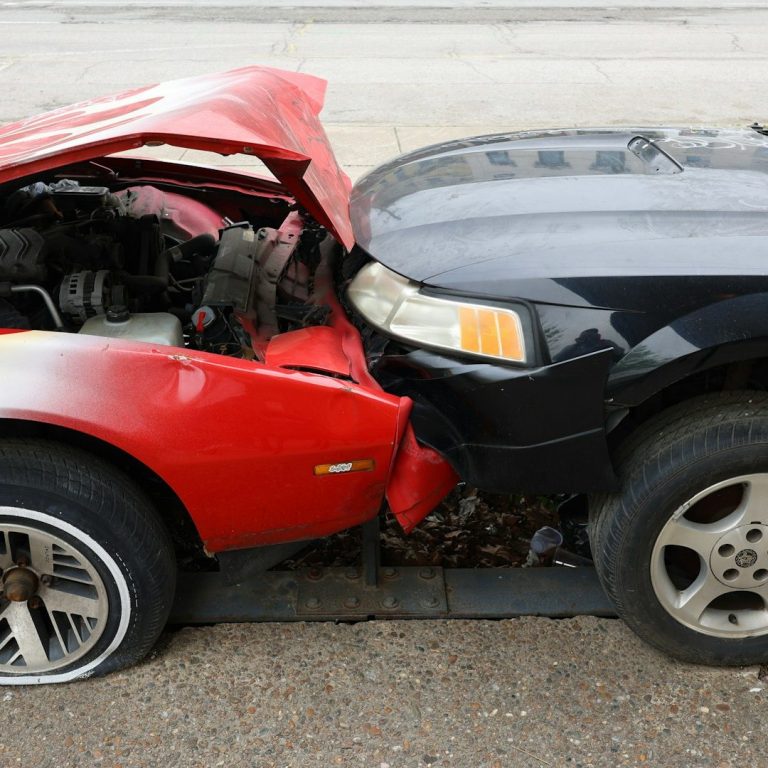

Injured in a
Car Accident?
Start Here.
Your body took a hit. Now you need fast, expert care and someone to handle the insurance paperwork so you don't have to. We specialize in post-accident chiropractic care in Westminster, and we bill your auto insurance directly.
Car Accidents can Cause:
Whiplash & Cervical Strain
The most common car accident injury. Sudden neck flexion-extension tears soft tissues and disrupts cervical joint mechanics — often with delayed symptom onset.
Post-Traumatic Headaches
Cervicogenic headaches originating from injured upper cervical joints and suboccipital muscles are extremely common after rear-end and side impacts.
Disc Injury & Herniation
Impact forces can bulge or herniate cervical or lumbar discs, creating nerve compression that causes radiating pain, tingling, or numbness into the arms or legs.
Facet Joint Syndrome
The small joints of the spine are highly susceptible to impact trauma. Facet joint injury causes deep, aching spinal pain that worsens with movement and is often missed on standard imaging.
Muscle Strains & Soft Tissue
Thoracic, lumbar, and shoulder girdle muscles commonly sustain strain injuries in collisions — particularly in the upper back, trapezius, and paraspinal muscles.
Nerve Impingement & Radiculopathy
Disc, joint, or swelling-related pressure on nerve roots can cause shooting pain, numbness, or weakness along predictable pathways into the arms or legs.
TMJ Dysfunction
Jaw pain, clicking, or limited opening following an accident can indicate temporomandibular joint displacement from impact forces transmitted through the skull.
Concussion & Post-Concussive Symptoms
Dizziness, brain fog, visual changes, and sensitivity to light or noise after an accident require evaluation. We screen for concussive elements and refer when indicated.
Shoulder & Extremity Injuries
Bracing against impact or seatbelt forces can injure the shoulder, wrist, or knee. We evaluate the full kinetic chain, not just the primary complaint.
Your Care Process, From First Call to Full Recovery
We've treated many accident patients and refined a process that gets you accurate diagnosis, quality care, and thorough documentation without the runaround.
01
Same-Week Evaluation
We get accident patients in fast. Your first visit includes a full accident history, orthopedic and neurological exam, cervical and lumbar range-of-motion testing. You'll leave with a diagnosis and care plan, not just "come back next week."
02
Injury Documentation
Our clinical notes are written to support both your care and your insurance record. We document mechanism of injury, objective findings, functional limitations, and clinical impressions in language that is useful for MedPay, health insurance, and personal injury purposes.
03
Insurance Verification & Billing
Before your first treatment, we verify your MedPay and health insurance benefits and explain exactly what's covered. We bill your auto insurance or MedPay directly, so you don't need to pay up front and wait for reimbursement.
04
Individualized Treatment
Your care plan is built around your specific injuries. It may include spinal manipulation, soft tissue therapy, therapeutic modalities, and rehabilitative exercise based on where you are in recovery.
05
Progress Reassessment
We formally reassess your functional status and objective findings at regular intervals. You'll always know how your recovery is tracking. We adjust the care plan as needed and communicate clearly with you throughout.
06
Attorney Coordination (If Needed)
If you're working with a personal injury attorney, we provide complete records, narrative reports, and functional outcome data on request. We have experience coordinating with PI counsel and can provide referrals to trusted local attorneys if you need one.
Working With an Attorney? We Know How to Support Your Case.
Thorough, well-documented chiropractic records are one of the most important elements of a personal injury claim. Our documentation is written with both your care and your legal record in mind from day one.
Detailed Clinical Narratives
Our notes document mechanism of injury, objective findings, functional impairment, and treatment rationale — the language PI attorneys and insurance adjusters need.
Functional Outcome Measures
We use validated tools (Neck Disability Index, Oswestry, etc.) to quantify impairment and track recovery — objective data that supports your claim.
Direct Attorney Coordination
We respond promptly to records requests, provide narrative reports on request, and communicate professionally with your legal team throughout your care.
Referrals Available
Don't have an attorney yet? We work with several trusted personal injury attorneys in the Westminster and Denver metro area and can provide referrals.
Imaging Coordination
When MRI or specialist imaging is clinically indicated, we provide referrals and ensure findings are integrated into your clinical record and narrative.
Maximum Medical Improvement (MMI) Evaluation
We provide MMI determinations and final narrative reports when your case reaches settlement, key in the personal injury process.
What we check at your first visit
- Accident history: type of crash, seat position, when symptoms started
- Full spine and extremity exam, including orthopedic and neurological testing and a concussion screen
- Questionnaires that track your pain and function over time
How we treat it at Revival Chiropractic
- Phased care: protect, restore motion, strengthen
- Adjustments, soft tissue work, and rehab exercises
- Imaging referral when needed
What to expect
- Goal is fewer, shorter, and milder headaches
- Reassess every 8-10 visits
When we refer out
- Suspected fracture, internal injury, or significant concussion (ER or specialist)
- Progressive neuro signs (MRI)
FAQs
Why might pain show up days after a crash? Adrenaline and the body's stress response mask pain right after an accident. Meanwhile, inflammation in strained muscles and ligaments builds, so many people wake up stiff and sore a couple days or even up to a week later.
Can a low-speed accident cause real injuries? Yes. Even collisions under 10 mph can strain the neck and back, especially if you were turned, caught off guard, or the headrest was too low. Vehicle damage doesn't reliably predict how badly a person was hurt.
What injuries are commonly missed after a car accident? Whiplash, mild concussion, rib and mid back injuries, and seatbelt bruising of the chest and shoulder. Wrist, knee, and ankle injuries from bracing are easy to overlook too. A thorough exam looks beyond the spot that hurts most.
Should I see a chiropractor or my primary doctor first? If you have severe pain, head injury symptoms, chest or abdominal pain, or numbness and weakness, go to the ER or your doctor first. Otherwise, we can evaluate you, coordinate with your doctor, and refer for imaging when needed.
Sources: NHTSA crash injury data
Disclaimer: The information provided on this page is for educational and informational purposes only and is not intended as a substitute for professional medical advice, diagnosis, or treatment. Always seek the advice of a qualified healthcare provider with any questions you may have regarding a medical condition or before starting any new healthcare regimen. Never delay seeking treatment or disregard medical advice based on information provided here. If you are experiencing a medical emergency, call 911 immediately.