
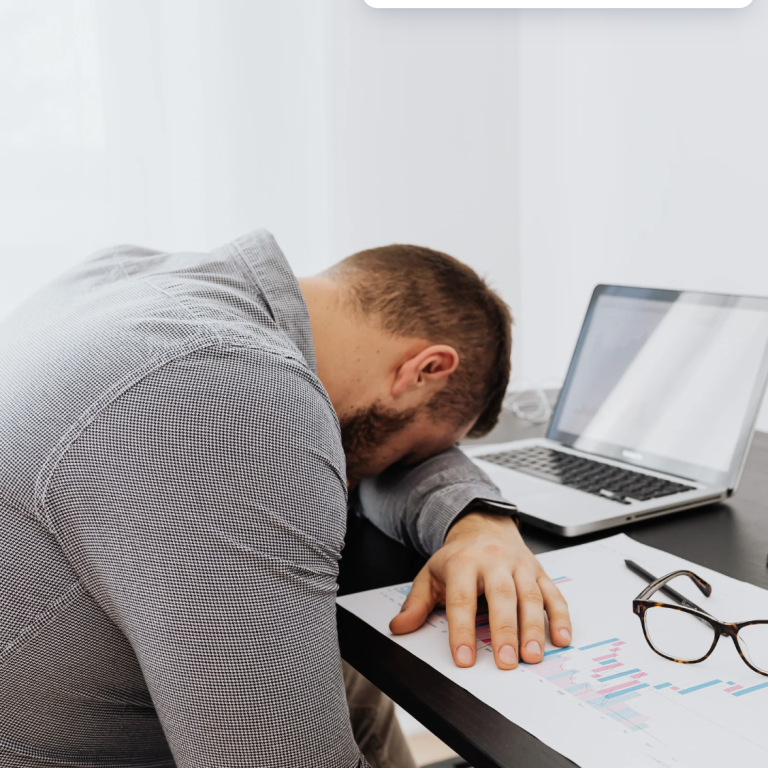
Fatigue & Low Energy
What it feels like
- Low energy through the afternoon
- Poor sleep and waking unrefreshed
- Tension, aches, and headaches that drain you
Common Causes
- Poor sleep, stress, and pain disrupting rest
- Sedentary habits and posture
- Nutrition gaps
- Medical causes that need ruling out (thyroid, anemia, sleep apnea, depression)
What we check at your first visit
- Health history: sleep, stress, activity, nutrition, and any recent bloodwork
- Regional exam of the areas where pain or tension disrupts your sleep, including orthopedic and neurological testing
How we treat it at Revival Chiropractic
- Care for the pain and tension that interrupt sleep
- Movement plan and sleep position tips
- Nutrition and supplement guidance
- Referral for lab work when appropriate
What to expect
- Set modest goals: better sleep, less pain, more daily movement
When we refer out
- Fatigue with weight loss, fever, night sweats, or shortness of breath
- Suspected sleep apnea, thyroid, or mood concerns
- Post-exertional crashes that sound like ME/CFS (physician)
FAQs
Can a chiropractor help with fatigue? Indirectly. When pain, tension, or poor posture disrupt your sleep and activity, easing them can help you feel more energized. We also look at movement, sleep habits, and nutrition. Fatigue has many medical causes, so we'll recommend a doctor visit when it makes sense.
What bloodwork should I ask my doctor about? Talk to your doctor about your symptoms. Common starting points for fatigue include a complete blood count, thyroid tests, iron studies, vitamin D, B12, and blood sugar. Your doctor will choose what fits your history.
Do supplements help energy? If you're low in something like iron, vitamin D, B12, or magnesium, correcting it can help. If your levels are normal, supplements rarely fix fatigue on their own. Our Supplement Quiz is a good starting point, and testing is better than guessing.
How does pain affect sleep? Pain makes it harder to fall and stay asleep, and poor sleep makes pain feel worse. Breaking that cycle with pain relief, a better sleep position and pillow, and a steady bedtime routine can make a real difference.
Sources: NICE guideline NG206 on ME/CFS (2021)
Disclaimer: The information provided on this page is for educational and informational purposes only and is not intended as a substitute for professional medical advice, diagnosis, or treatment. Always seek the advice of a qualified healthcare provider with any questions you may have regarding a medical condition or before starting any new healthcare regimen. Never delay seeking treatment or disregard medical advice based on information provided here. If you are experiencing a medical emergency, call 911 immediately.