
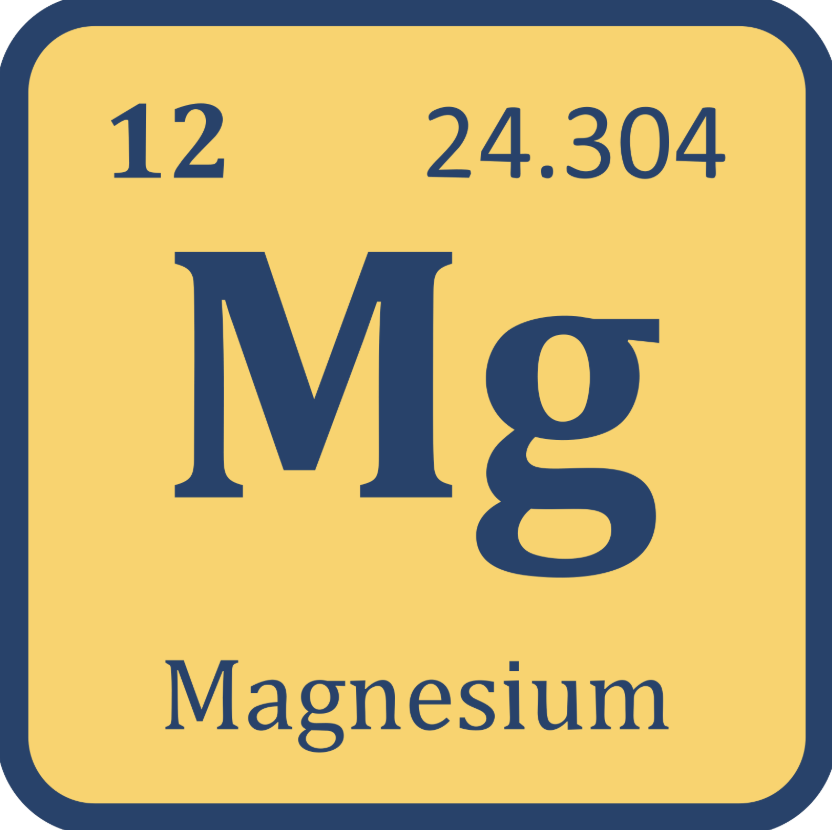
Why Low Magnesium Could Be Affecting Your Health
Magnesium is one of the most essential minerals in the human body — involved in over 300 enzymatic reactions — and yet most Americans don't get enough of it. Habitually low magnesium intake has been linked in peer-reviewed research to several serious health conditions. Here's what the evidence shows.
Hypertension and Cardiovascular Disease
Over an average of 12 years of follow-up, individuals with the highest levels of serum magnesium had a 38% reduced risk of sudden cardiac death compared to those with the lowest levels. (Peacock JM et al., 2010)
Type 2 Diabetes
Research has found a significant inverse association between magnesium intake from food and the risk of developing type 2 diabetes — with a relative risk reduction of 23% when comparing the highest to lowest intake groups. (Schulze MB et al., 2007)
Osteoporosis
One study found that 290mg per day of elemental magnesium taken for 30 days in postmenopausal women with osteoporosis suppressed bone turnover compared to placebo, suggesting that adequate magnesium intake may help slow bone loss. (Aydin H et al., 2010)
Migraine Headaches
Magnesium deficiency is related to factors that promote headaches, including neurotransmitter release and vasoconstriction. People who experience migraines have been shown to have lower levels of serum and tissue magnesium than those who do not. (Sun-Edelstein C & Mauskop A., 2009)
What This Means for Your Health
Chiropractic care and proper nutrition work hand in hand. At Revival Chiropractic, Dr. Kamryn takes a whole-body approach to your health — and ensuring your body has the nutritional building blocks it needs is part of that picture. If you're experiencing chronic headaches, fatigue, muscle cramps, or poor sleep, low magnesium may be a contributing factor worth discussing at your next visit.
For the full NIH fact sheet on magnesium: NIH Office of Dietary Supplements — Magnesium